
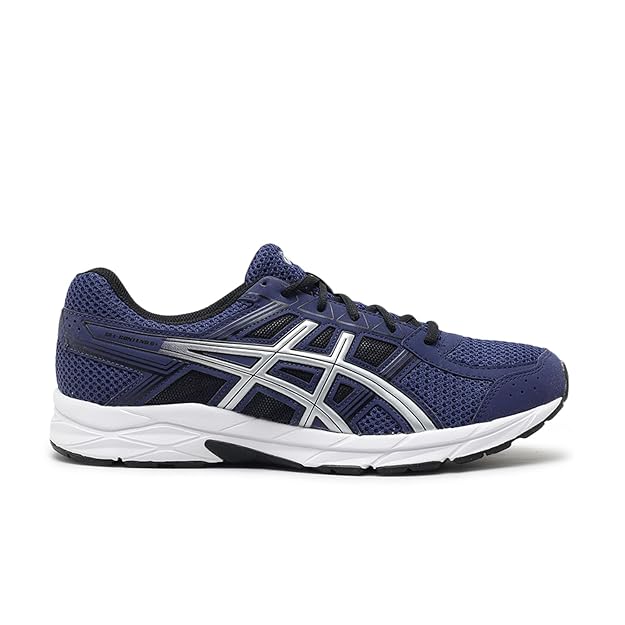
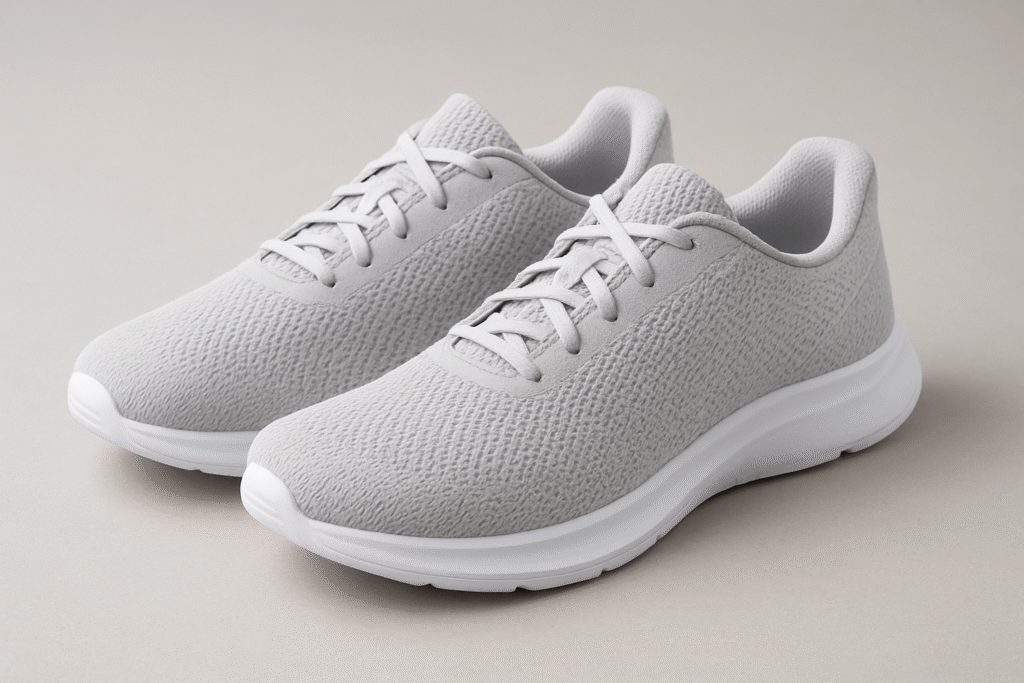
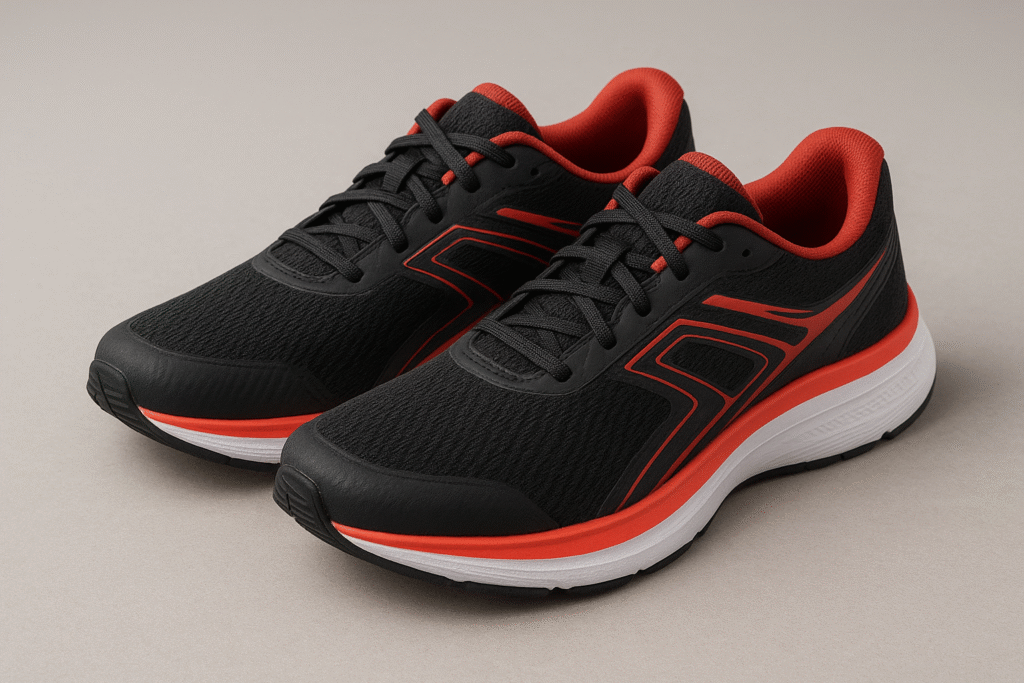
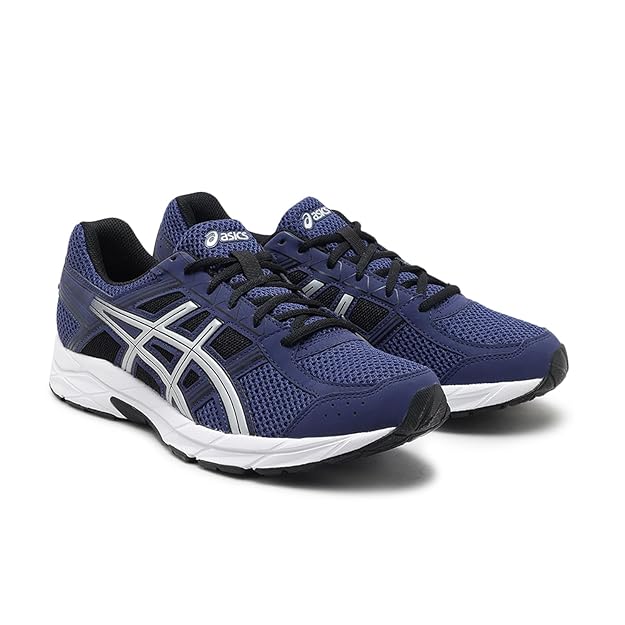
Running is more than just a workout; it’s a lifestyle choice that boosts both physical and mental health. Whether you’re a beginner hitting the track for the first time or an experienced marathoner, choosing the best running shoes can make all the difference. The right pair provides comfort, support, and durability, allowing you to focus on your performance without worrying about injuries or discomfort. In this guide, we’ll help you understand what makes the shoes stand out and how to find the perfect match for your feet and running style.
Selecting the best running shoes isn’t just about brand names or flashy designs. It’s about ensuring proper alignment, reducing impact, and enhancing your running efficiency. Poor-quality shoes can lead to blisters, knee pain, and fatigue. On the other hand, the best running shoes are designed with advanced cushioning and ergonomic design that support your natural stride, keeping you injury-free and comfortable through every mile.
When shopping for the best running shoes, it’s important to consider several factors that affect performance and comfort. Let’s take a look at the key features you should prioritize:
The best running shoes always come with high-quality cushioning systems. Technologies like Gel, Air, or Foam help absorb shock and provide a smooth ride. Look for shoes that balance softness and responsiveness — too much cushioning can make you feel unstable, while too little can strain your joints.
The perfect fit is non-negotiable. The best running shoes hug your feet comfortably without feeling tight. They should allow enough space for toe movement while providing arch support suited to your foot type — whether flat, neutral, or high-arched.
Good airflow is essential to prevent sweat buildup. The best running shoes feature mesh uppers that keep your feet cool and dry during long runs, reducing the risk of blisters and odor.
Lightweight shoes help improve speed and reduce fatigue. The best running shoes strike a balance between lightweight design and proper cushioning, ensuring that your legs feel fresh even after long distances.
Not all runners are the same — and neither are all running shoes. Depending on your running style, surface, and goals, you can choose from various types of the best running shoes available in the market:
Designed for smooth surfaces like pavements and tracks, these are the best running shoes for city runners. They offer flexible soles and lightweight construction to deliver responsive performance on hard surfaces.
If you love exploring hills and rough terrains, trail shoes are your go-to choice. The best running shoes for trails provide rugged outsoles, extra grip, and protection from rocks and debris.
These are ideal for runners who overpronate — when your foot rolls inward too much. The best running shoes in this category have added arch support and structured midsoles to maintain balance.
Perfect for runners with a natural gait, these are the best running shoes for everyday training. They offer balanced cushioning and flexibility, suitable for most foot types.
If speed is your goal, racing shoes are lightweight and designed for competition. The best running shoes for racing often use carbon plates or advanced foams for an energy-efficient stride.
Finding the best running shoes depends on understanding your individual needs. Here are some practical tips:
Know your foot type: Identify whether you have flat, neutral, or high-arched feet.
Test your gait: Visit a running store for a gait analysis to see how your foot strikes the ground.
Try before you buy: Always wear the shoes and walk or jog in them before finalizing.
Replace regularly: Even the best running shoes wear out over time. Replace them every 500–800 km for optimal performance.
Several brands are known for producing the best running shoes trusted by athletes worldwide:
To make the most of your investment, take good care of your footwear.
Here’s how to extend the life of the best running shoes:
Clean them regularly using mild soap and water.
Avoid machine washing or drying; instead, air dry them naturally.
Use them only for running, not daily walking or gym workouts.
Store them in a cool, dry place to maintain their shape and materials.
Your running experience depends largely on the shoes you wear. The best running shoes not only enhance your performance but also protect you from potential injuries and fatigue. Whether you prefer speed runs, long-distance training, or trail adventures, investing in the right pair is worth every penny.
Remember, the best running shoes are the ones that fit you perfectly, match your running style, and make every stride feel effortless. So, lace up, hit the track, and let your shoes carry you toward your fitness goals with comfort and confidence.